
Overview
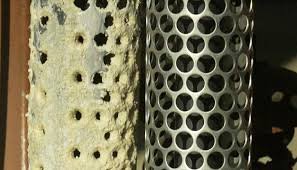
Deposits formed by minerals, ash, soot, unburnt fuel particles, and process contaminants can significantly reduce heat transfer efficiency and increase maintenance costs. Our Deposit Control Agents are specially formulated to modify, disperse, and prevent the accumulation of these deposits on critical equipment surfaces.
These treatment programs help maintain clean heat transfer surfaces, improve system reliability, reduce downtime, and extend equipment life in a wide range of industrial applications.
Our Solutions Include
- Deposit Prevention Chemicals
- Fouling Control Additives
- Ash Conditioning Agents
- Soot Reduction Chemicals
- Heat Exchanger Deposit Control Treatments
- Boiler Deposit Inhibitors
- Furnace Surface Conditioning Chemicals
- High-Temperature Deposit Dispersants
Benefits
- Prevents deposit and fouling buildup
- Improves heat transfer efficiency
- Reduces fuel consumption
- Minimizes maintenance and cleaning requirements
- Enhances equipment reliability
- Extends operational lifespan of assets
- Reduces unplanned shutdowns
- Improves overall plant productivity
Applications
- Industrial Boilers
- Coal-Fired Boilers
- Biomass Boilers
- Furnaces
- Thermal Fluid Heaters
- Heat Exchangers
- Power Plants
- Cement Plants
- Steel Industries
- Chemical Processing Facilities
Key Performance Advantages
- Cleaner heat transfer surfaces
- Better combustion efficiency
- Reduced ash and soot accumulation
- Lower operating and maintenance costs
- Improved thermal performance
- Enhanced system availability
- Increased equipment efficiency
Industries Served
- Power Generation
- Cement Manufacturing
- Steel & Metal Industries
- Chemical Processing
- Paper & Pulp Mills
- Food Processing Plants
- Textile Industries